
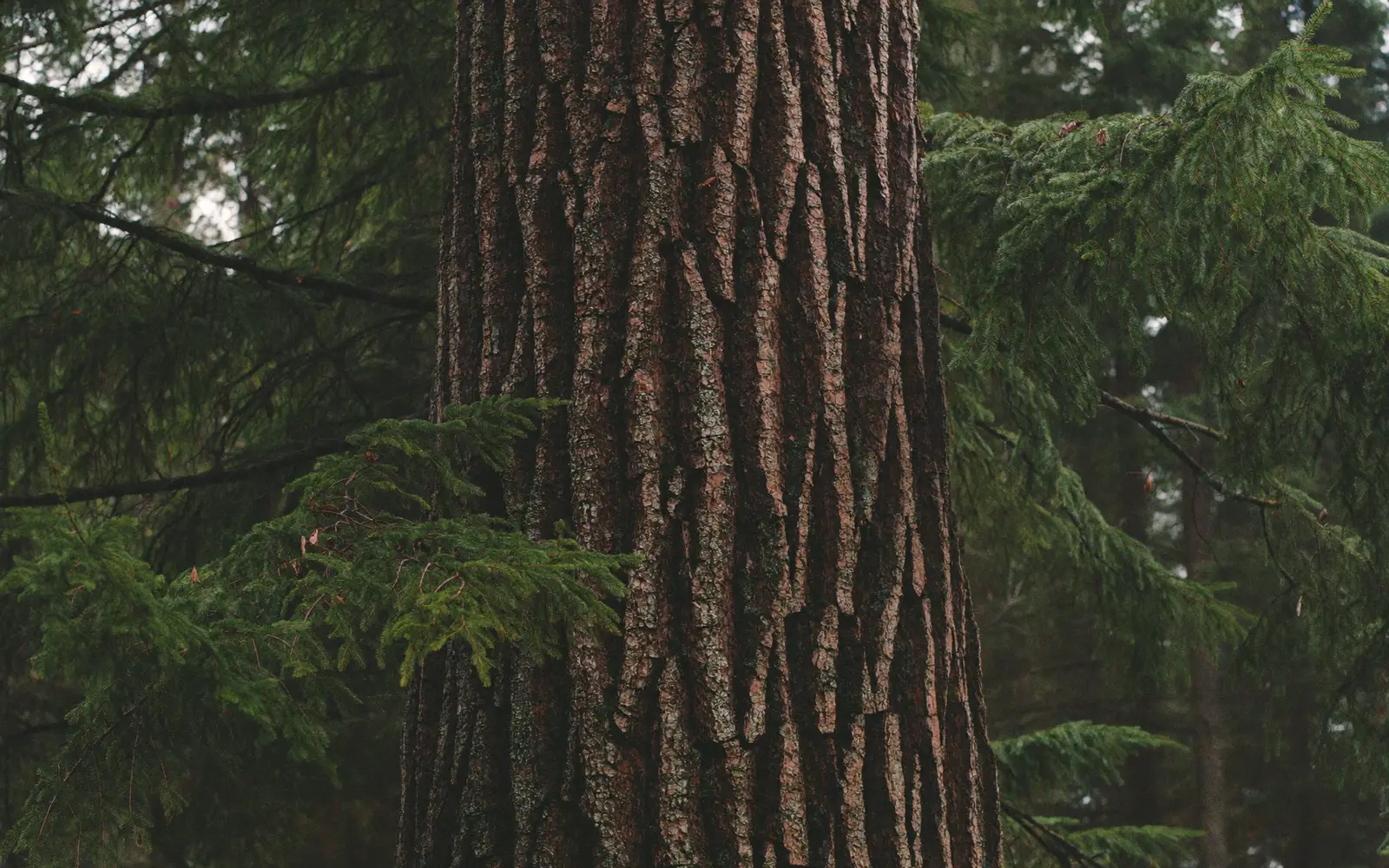
Douglas fir
Pseudotsuga menziesiiKirkland's tallest trees. Shallow roots in soaked winter soil; laminated root rot topples them.
Kirkland, Washington · storm calls 24/7
Removal, pruning and storm cleanup from Finn Hill to Houghton. Before we quote, we tell you whether Kirkland needs a free notification, a permit, or nothing at all.
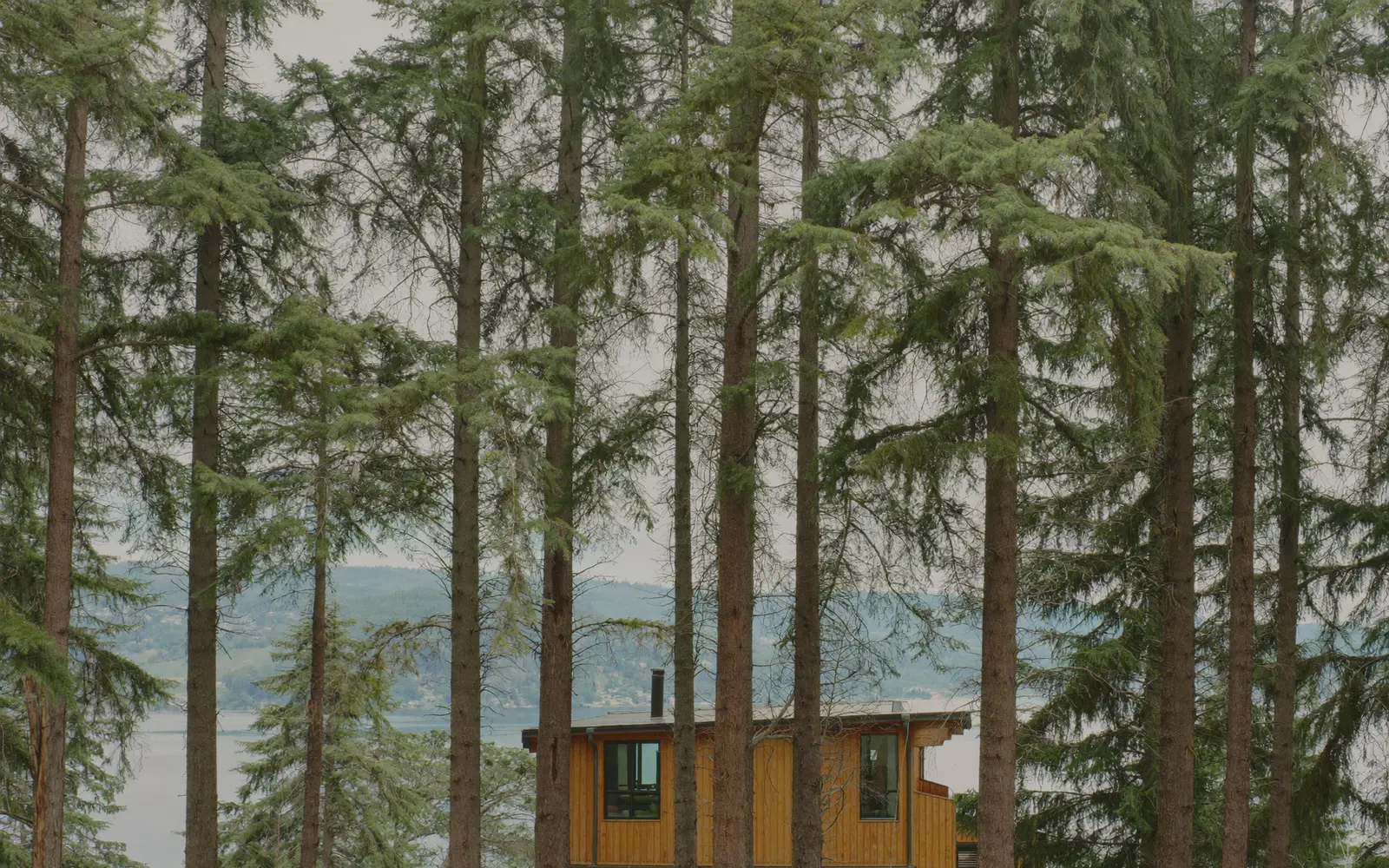
26 inchesThe trunk width that makes a Kirkland tree a Landmark.
Name and number. We call back the same day.
Kirkland's tree code in three numbers
Usually not a permit, but almost always paperwork. Most healthy trees go through a free Tree Removal Notification, inside a yearly allowance set by lot size.
What we take down
Big conifers, storm damage and trees that have become dangerous. Removal is the work we're built for.
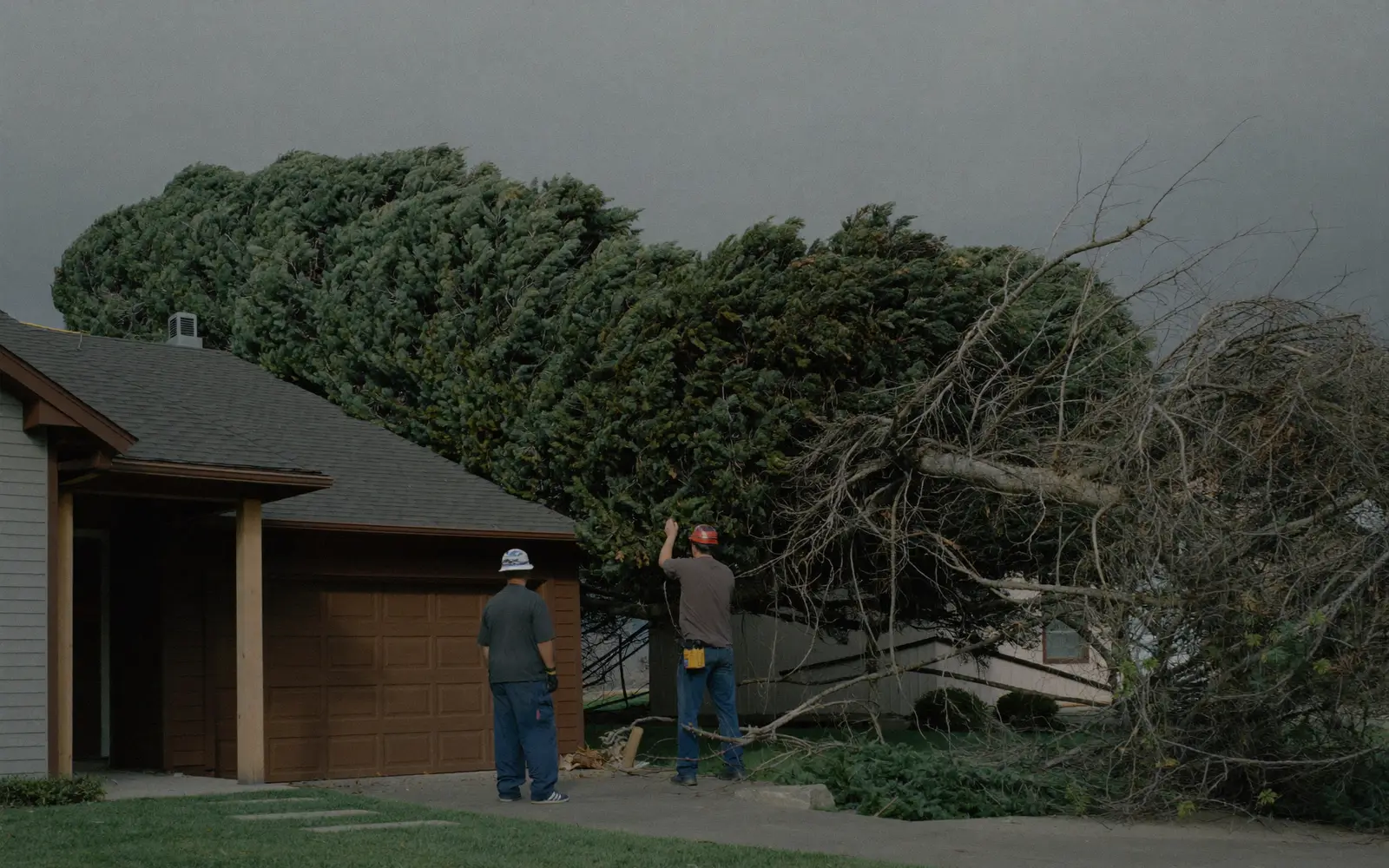
A fir through the roof at 2 a.m. Made safe first, then removed, with photos for insurance and for the city's 7-day report.
Details →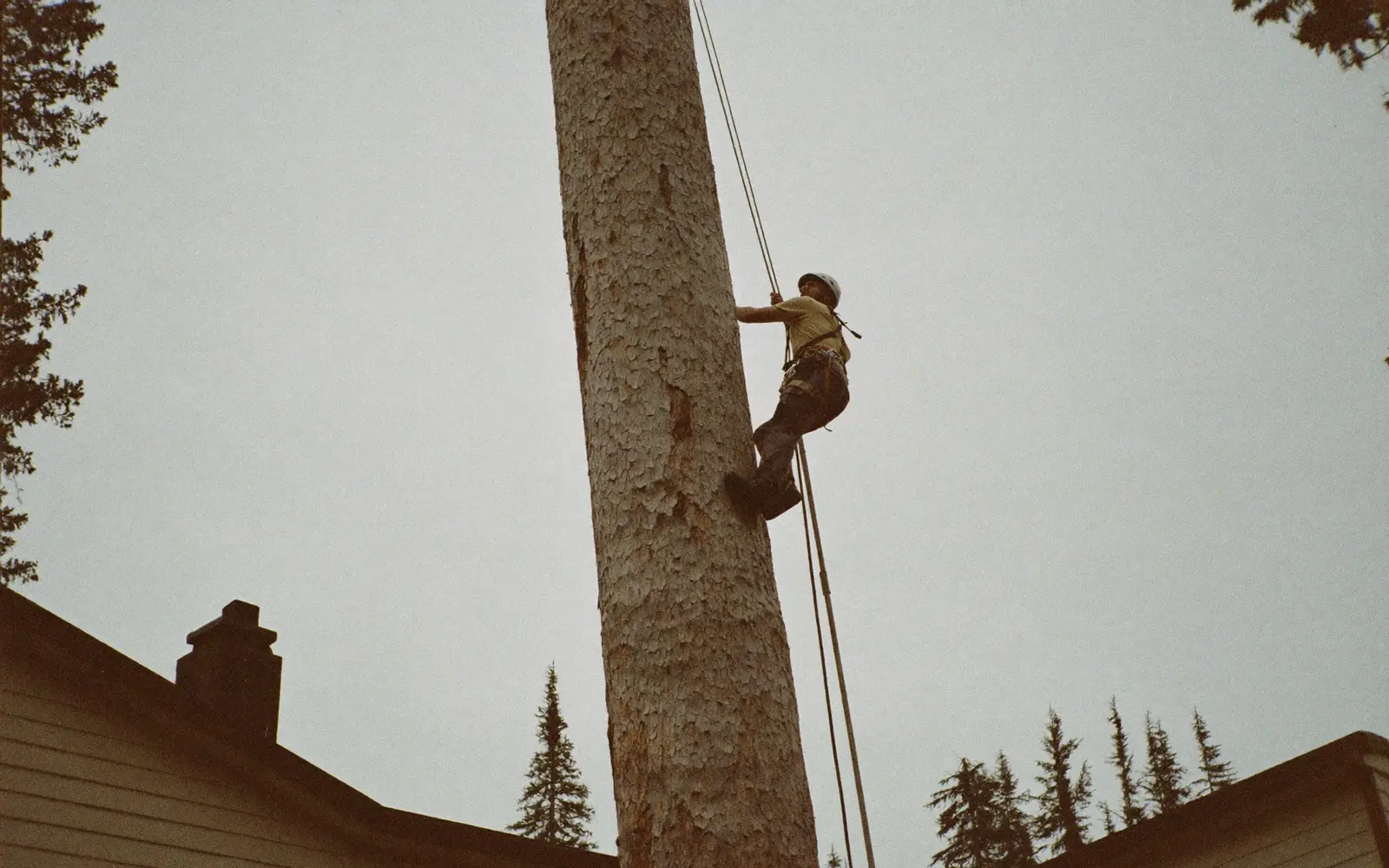
Trees of 80 to 150 ft beside houses, taken down in pieces on ropes. Landmark (26"+) paperwork sorted first.
Details →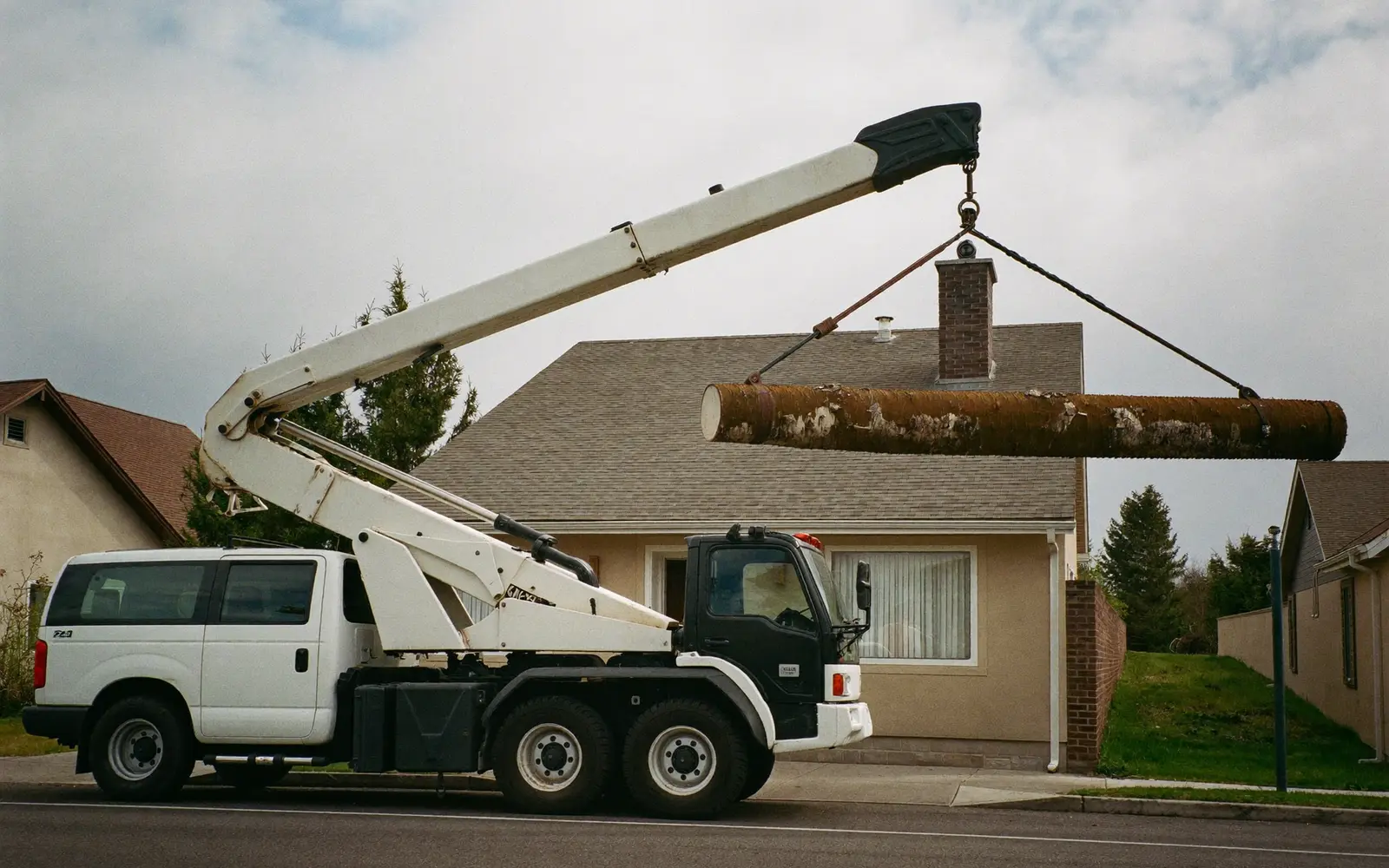
No drop zone on a tight Houghton or Norkirk lot? A crane lifts each section over the roof.
Details →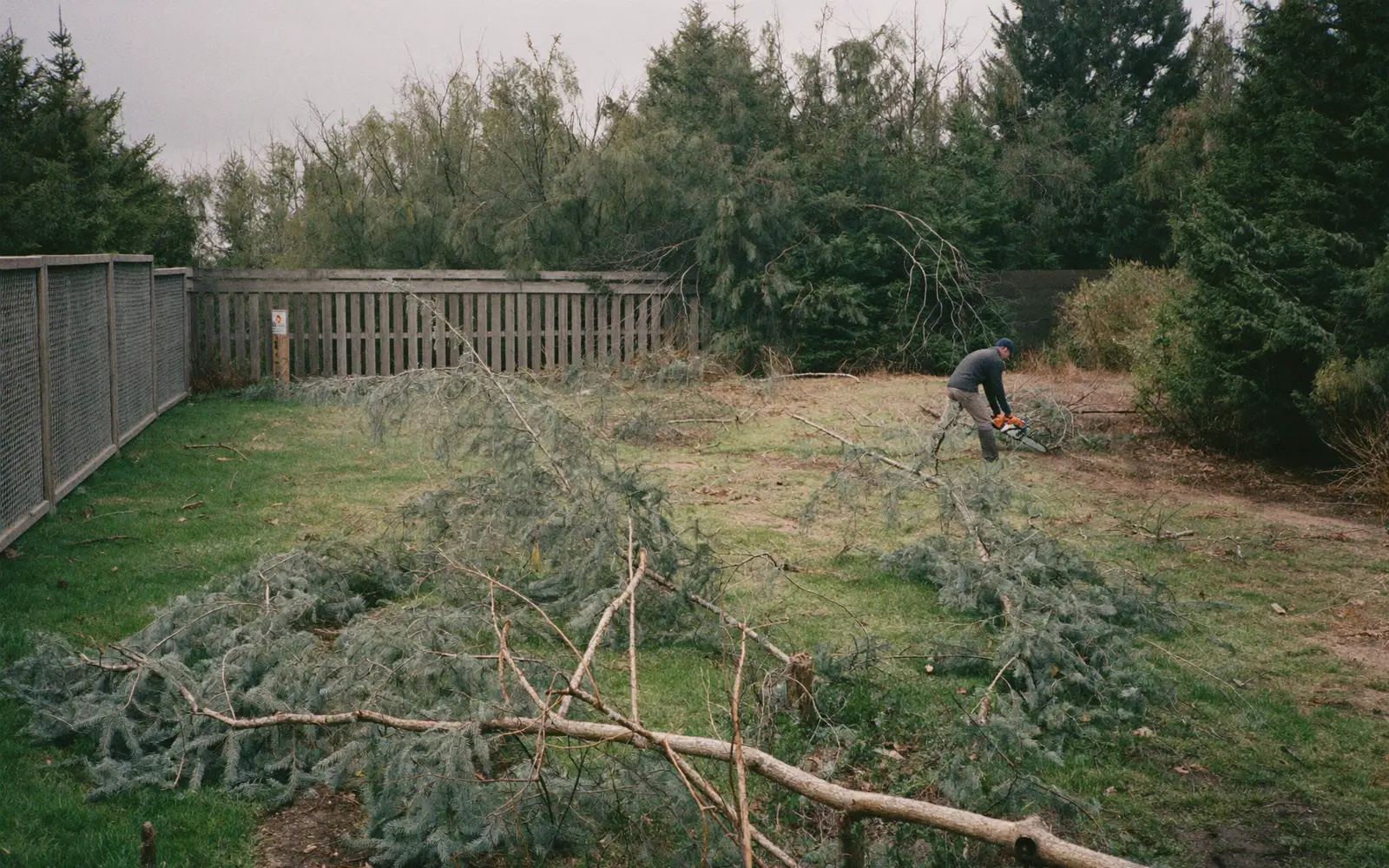
Uprooted trees, snapped tops and limbs on the fence, cut up and hauled away.
Details →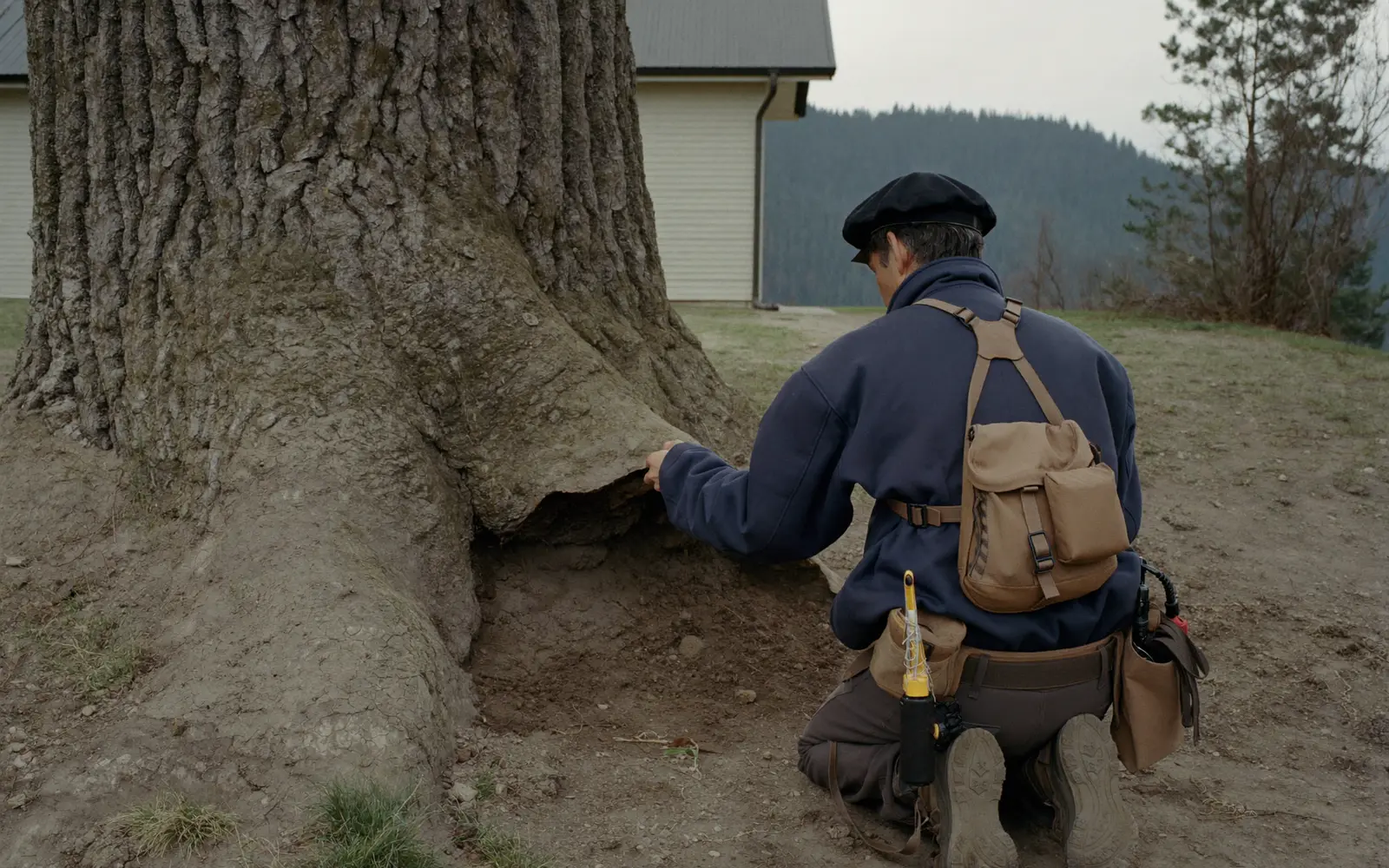
Past your yearly allowance, these are the only trees Kirkland will approve. We help you show why.
Details →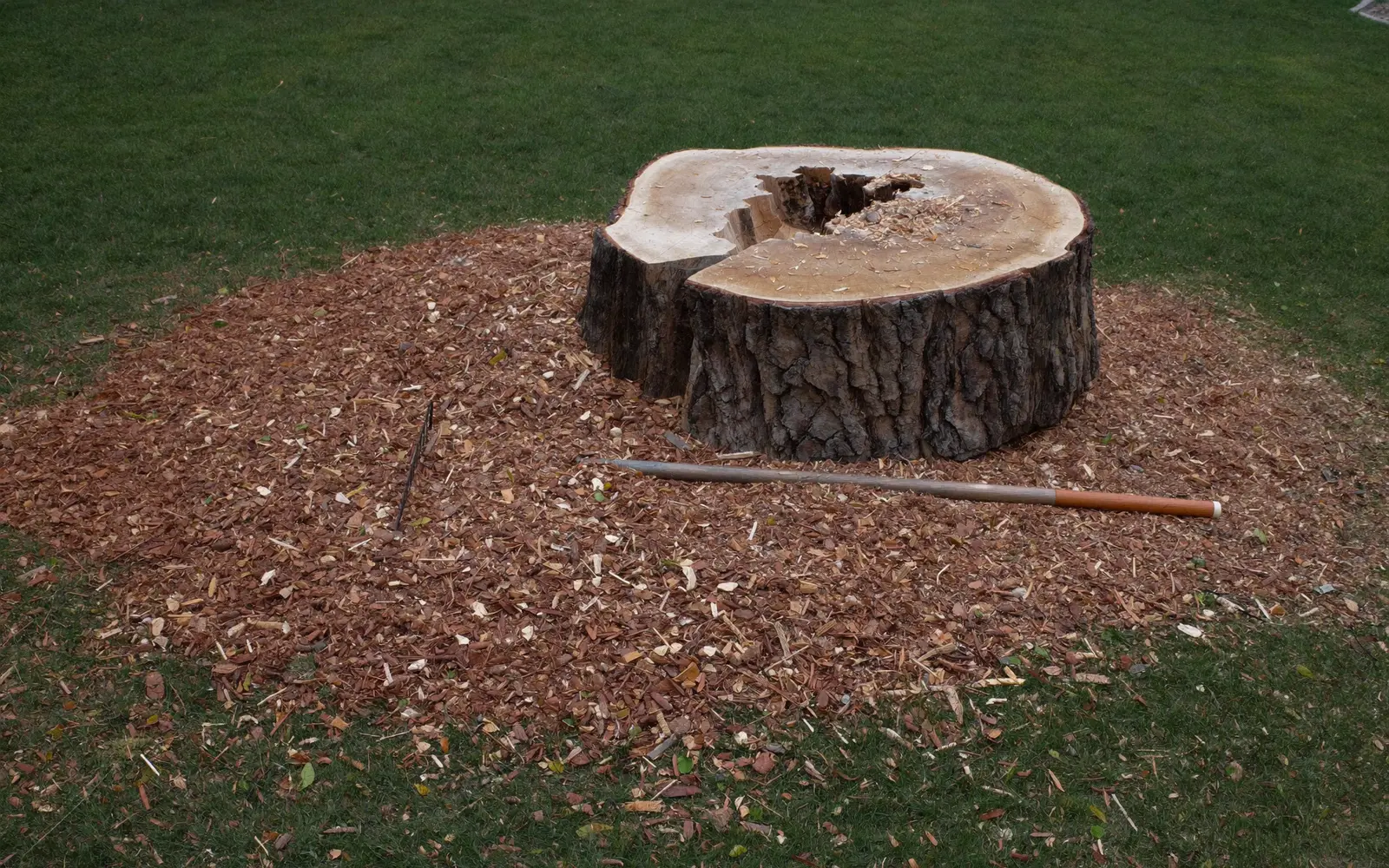
Ground below grade so you can replant, often to meet a replacement-tree condition.
Details →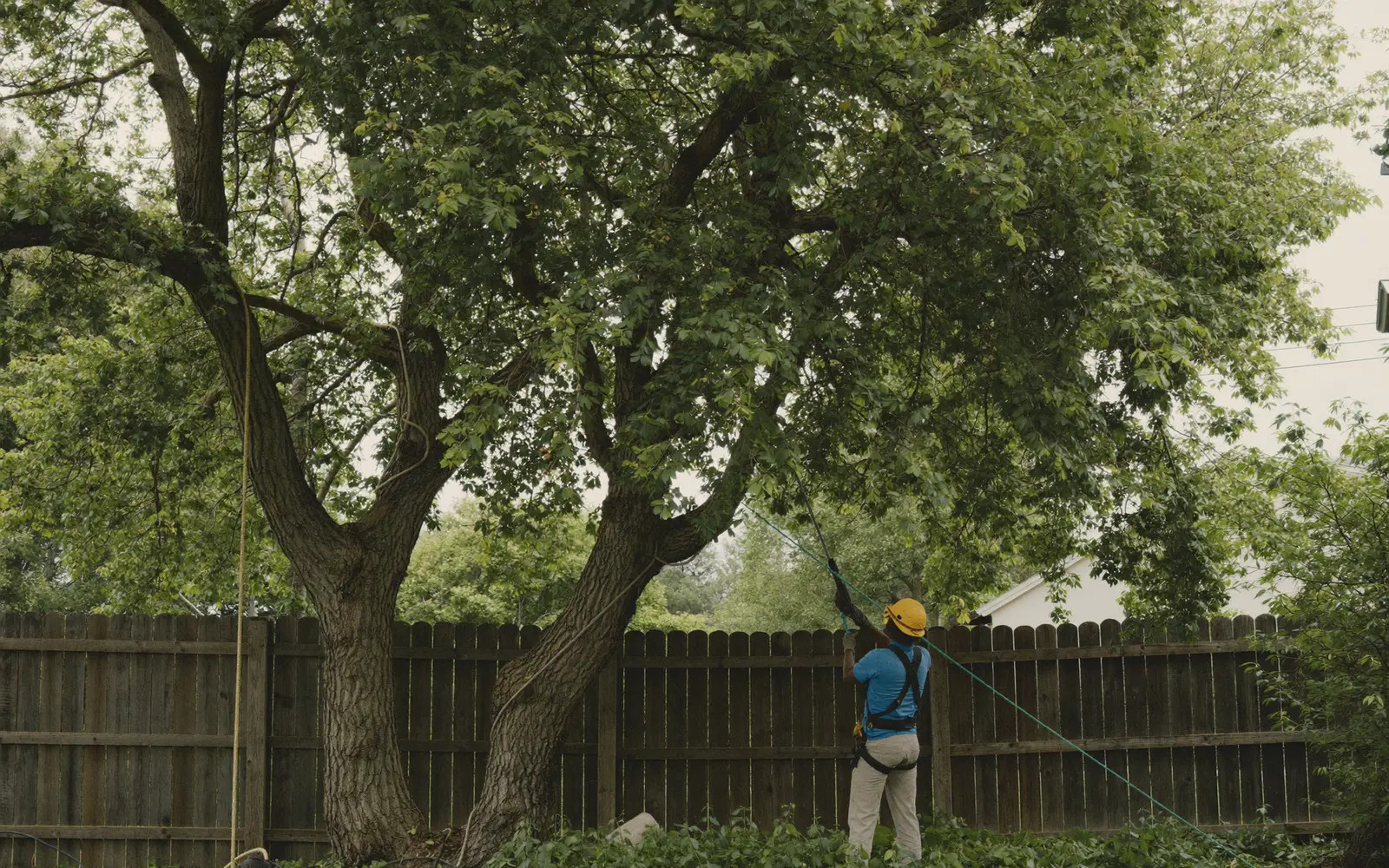
Keeping the trees you like
Thinning to let wind through, lifting limbs off the roof, clearing deadwood before winter, opening a lake view. Kirkland bans topping outright.
Local species
Each one fails in its own way. Knowing which is half of a good quote.
Kirkland's tallest trees. Shallow roots in soaked winter soil; laminated root rot topples them.
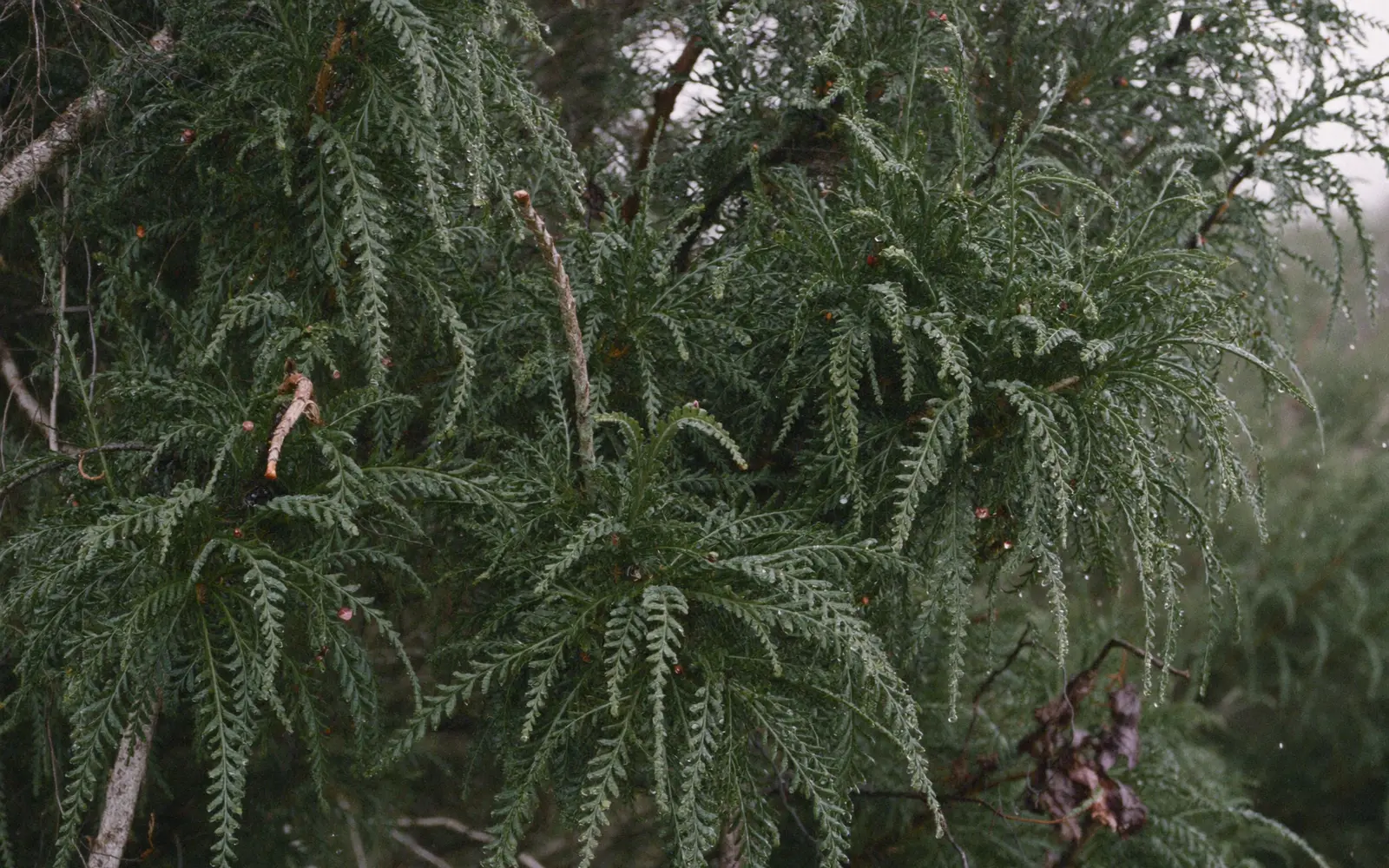
Thinning or dead tops after hot summers. Dense crowns catch wind.
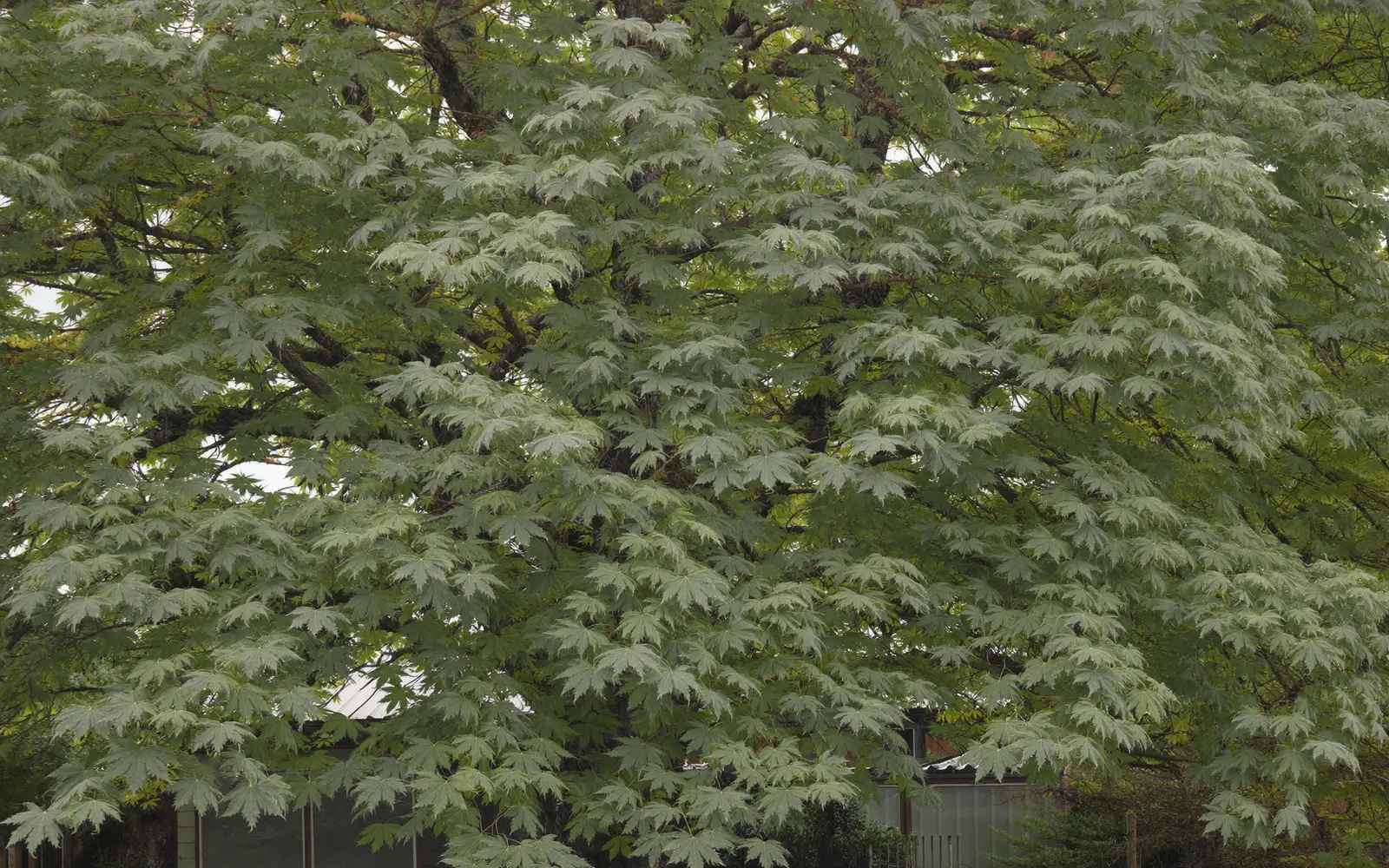
Heavy limbs that let go in full leaf, often over driveways.

Peeling red bark on Finn Hill bluffs. Hates root disturbance and over-pruning.

Fast and brittle along Juanita Creek and the lake edge.
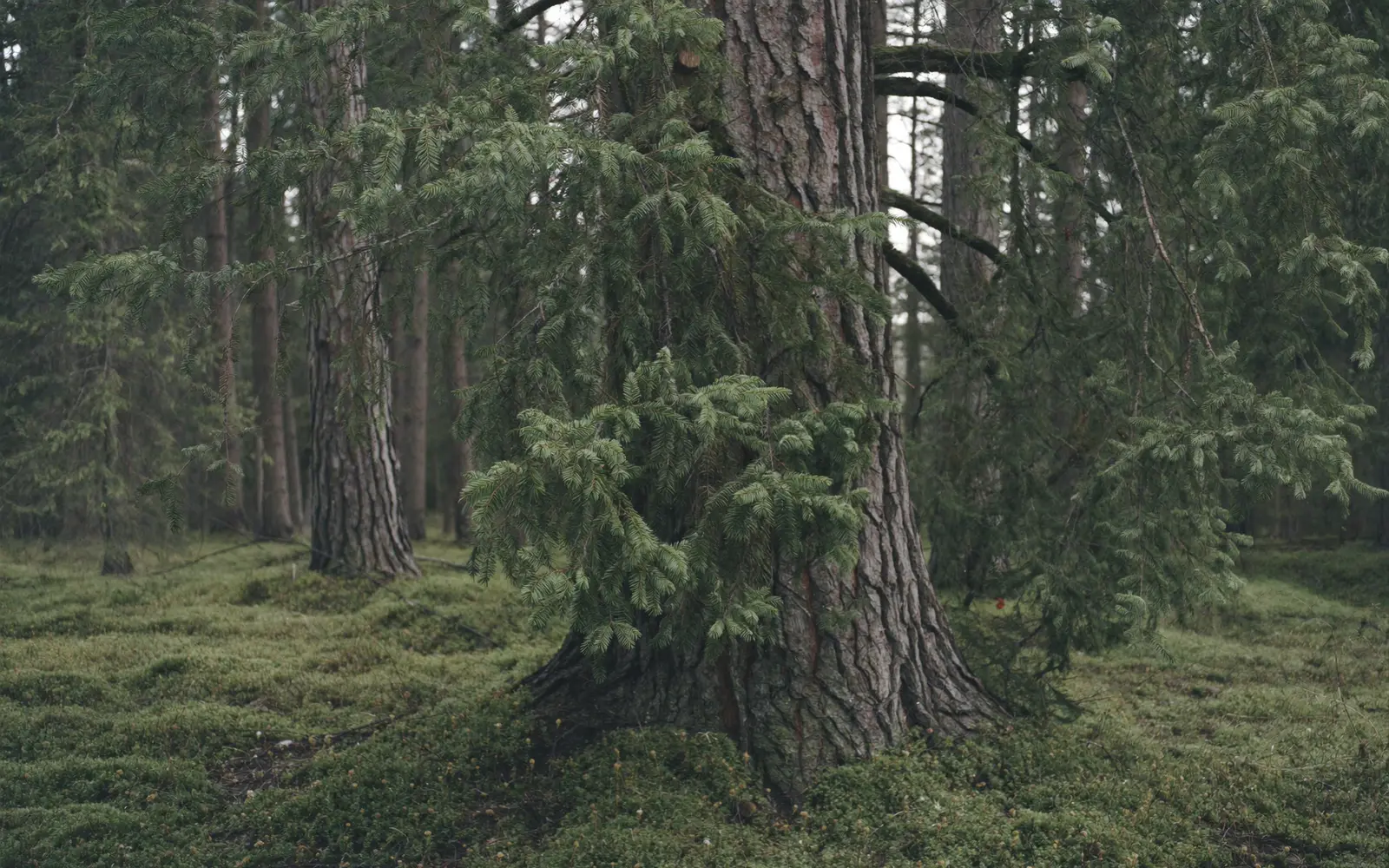
Shallow-rooted under the firs; tips over on wet slopes.
When to call
Tap a sign to see what it usually means. Anything moving after a storm is urgent.
A tree that has always leaned is less worrying than one that started leaning after a storm. Cracked or heaving soil on the side away from the lean means the root plate is moving. Call the same day.
Fruiting bodies at the root flare often mean root or butt rot. Laminated root rot is common in Eastside Douglas firs and is a frequent reason firs fall over in winter.
Western redcedars have been dying back from the top after hot, dry summers. A few dead branches can be pruned; a dead top over a roof is a hazard.
Vertical cracks, a split between two trunks or a hollow knock point to internal failure. A Level 3 assessment (resistance drill, sonic test) can measure how much solid wood is left.
Bigleaf maples and alders drop heavy limbs without warning. Roof clearance pruning is usually allowed without a permit if it stays under 25% of the crown.
Pole-to-pole lines are PSE's job. The service drop to your house is often yours to clear, and only qualified line-clearance workers should go near it.
Honest ranges
Height, lean, what's underneath and how the crew gets in decide the price. City fees are separate and most quotes forget them.
Full cost guide| Job | Typical 2026 price |
|---|---|
| Small tree, under 30 ft | $400 – $900 |
| Medium tree, 30–60 ft | $900 – $2,000 |
| Large fir or cedar, 60–100 ft | $2,000 – $4,500 |
| 100 ft+ near the house, or crane | $4,000 – $10,000+ |
| Pruning, per large tree | $350 – $1,200 |
| Stump grinding, per stump | $150 – $500 |
| City: Tree Removal Notification | $0 |
| City: Tree Removal Permit | $600 + 3.5% |
| City: Landmark permit + recording | $300 + 3.5%, + $305 |
From call to clean yard
Call or send photos: species if you know it, height, distance to the house.
Notification, permit, Landmark, shoreline or covenant. We say which before anything else.
One price that includes cleanup, haul-away and stump grinding if you want it.
Rigging or crane, lawns and beds protected, wood chipped or cut to rounds.
Replacement trees where the city requires them; the city rebate can cover part of it.
Where we work
Every part of Kirkland has its own tree problem and its own rule to watch.
Asked every week
For most healthy trees on a developed lot, no permit: you file a free Tree Removal Notification before the tree comes down. A $600 Tree Removal Permit is needed when the notification does not apply, for example past your yearly allowance, in a critical-area buffer, in the shoreline setback, in the Holmes Point Overlay or under a tree covenant. Trees under 6 inches DBH are not regulated.
With a notification: 2 trees per 12 months on lots up to 10,000 sq ft, 3 on lots of 10,001 to 20,000 sq ft, and 4 on lots over 20,000 sq ft. You must also keep at least 2, 3 or 4 regulated trees on the lot, by the same size bands.
Any tree 26 inches or wider at 4.5 feet above the ground. You may remove one Landmark tree per 12 months on a lot without special conditions, with a Landmark Tree Removal Permit ($300 plus a 3.5% surcharge), three replacement trees from the city list and a $305 recording fee.
Yes, if it poses an imminent risk to life or property. Kirkland then expects a Private Tree Removal Notification within 7 days with photos or an arborist report. Take photos before cutting: if the city decides it was not an emergency, fines can apply.
Roughly $400 to $900 for a small tree, $900 to $2,000 for a 30 to 60 ft tree, and $2,000 to $4,500 for a large fir or cedar. Trees over 100 ft near a house, or crane jobs, can pass $10,000. City fees and an arborist report are extra when a permit is needed.
Usually yes, on private property. Topping is banned, and removing more than 25% of the live crown can count as a removal. Trees in critical areas, the shoreline setback, the Holmes Point Overlay or under a covenant need the city's permission before pruning.
That strip is usually city right-of-way. Pruning or removal needs a Public Tree Pruning or Removal Permit. If the tree threatens your house or cars, you apply and hire the contractor; if it threatens the street or sidewalk, the city schedules the work. Minor pruning of branches under 1.5 inches is allowed.
Late fall through late winter suits most deciduous trees and lets you see the structure. Storm-prep pruning of conifers is best done in late summer and early fall, before the October to March windstorm season. Avoid heavy cuts on maples in early spring, when they bleed sap.

Not sure if the tree has to go, or which form the city wants? Call. Ten minutes on the phone usually answers it.